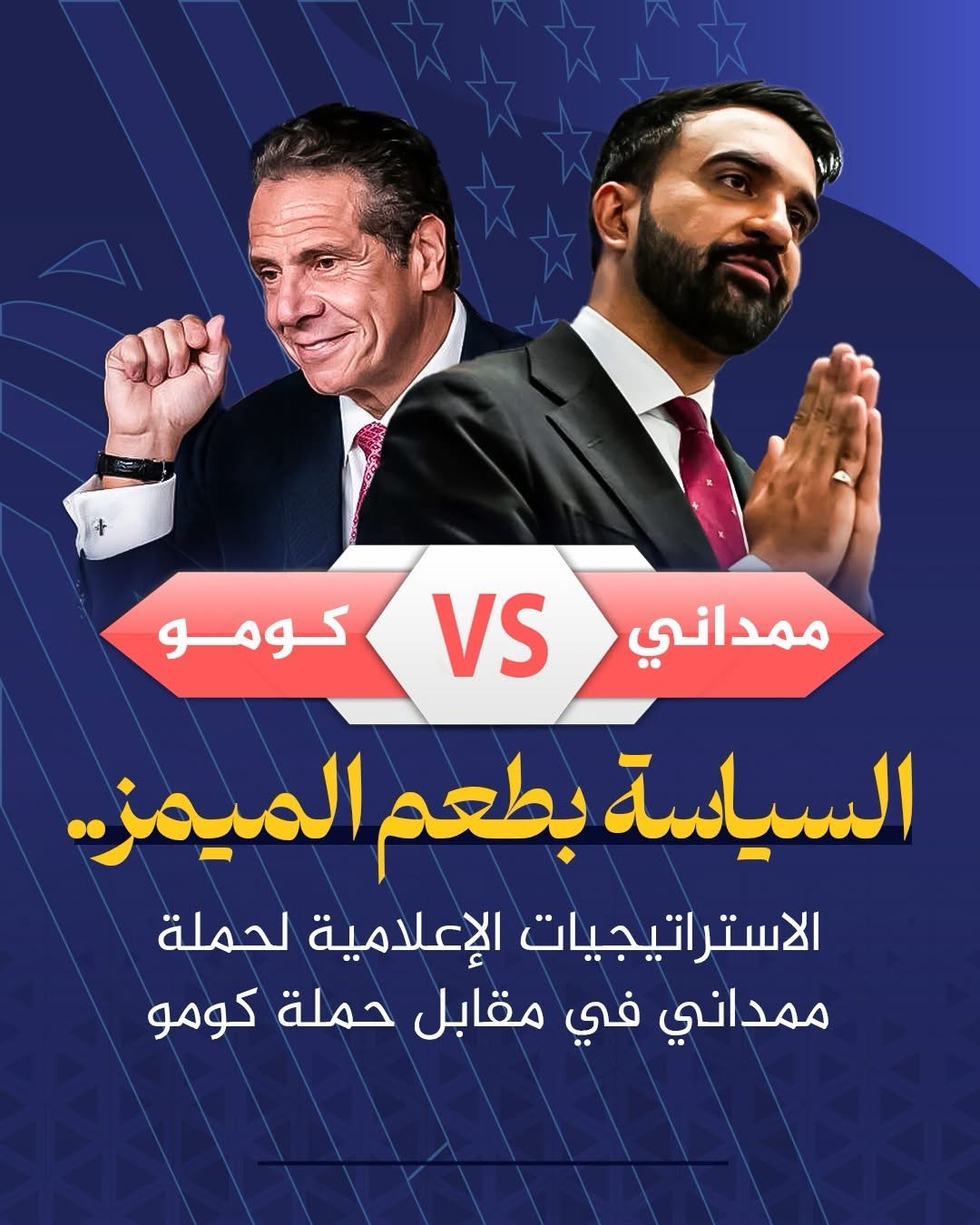
Mamdani’s campaign turned policy into understandable, personal and shareable content, connecting its digital presence with direct relationships with voters.
A political marketing and digital media perspective
How did Zohran Mamdani gain an advantage over Andrew Cuomo before election day? Which campaign strategies contributed to an upset that felt like a political earthquake?
This article examines the two campaigns through political marketing and digital media, rather than comparing the American right and left or assessing the political positions in their platforms.
My work is in political media, marketing and digital communication. Speaking beyond one’s expertise can lead to extraordinary claims, so we will focus on what we know: how a campaign is built, how its messages are presented and how they reach an audience. Buckle up.
On X: a youthful presence versus a formal account
Before discussing the strategies, it helps to examine each candidate’s presence on social platforms. The difference concerned both audience size and the relationship the content created.
Mamdani developed a striking presence among young audiences on X. His name became a route to engagement, with users circulating the idea that mentioning him in a post could attract likes. His account’s visibility grew as the campaign progressed.
Cuomo’s account appeared formal and composed, but did not create the same momentum. Conversations about Mamdani exceeded those about Cuomo by more than 30 to 1 across social platforms combined during June, according to Sprout Social data reported by The Washington Post. [1]
The contrast reflects Mamdani’s ability to become part of everyday online conversation.
On Instagram: a recognisable personality and engaging content
Mamdani’s account featured short, inventive videos with humour and personal touches. Audiences saw him moving through the city, interacting with people and explaining ideas, rather than simply delivering statements.
Cuomo’s content remained closer to the traditional format: excerpts from remarks, campaign photographs and documentation of meetings. His presence felt less lively by comparison.
The central issue is the relationship each candidate built with followers. Having an account is only a starting point; people need a reason to watch and share its content.
On TikTok: understanding the platform before posting
Mamdani understood TikTok’s importance for reaching young people. His content encouraged interaction, explained voting procedures and presented his economic platform in a light, inventive style. Political ideas became easy to share rather than remaining lengthy statements.
Cuomo’s presence seemed less able to match that language. From a digital marketing perspective, this highlights a familiar mistake: transferring the same content across platforms without adapting it.
A television interview that works on YouTube does not automatically make a suitable TikTok video. Each platform has its own rhythm and audience expectations.
Strategy one: politics in the language of memes
Mamdani presented politics in a language young audiences recognised, using memes, humour and visual ideas to attract attention and explain his platform.
He achieved a balance that many politicians struggle with: accessible content about serious issues, a human presence and a personal relationship with viewers.
In January, he took part in Coney Island’s winter swim and connected the scene to his promise to freeze rents. He also appeared entering the ocean in a suit to communicate the same proposal. The image became an entry point for understanding and remembering the message. [3]
Instead of merely reading a platform to camera, he presented an idea through a memorable scene. Multilingual communication, including Urdu and Spanish videos, also helped him address different communities.
Cuomo appeared as a seasoned, traditional politician. His content relied on considerable formality and seriousness, leaving less room for the personal side that helps audiences know a candidate beyond official statements.
Strategy two: viral content and young audiences
Mamdani’s campaign excelled at speaking to young people, a group that Cuomo’s media approach did not address with comparable emphasis.
The ambition to win the internet first was visible in short videos, shareable ideas and messages presented in the language of young people’s platform use.
The campaign went beyond displaying its programme to consider what would make people want to watch, share and discuss it. That is the value of viral content: when people circulate a message within their own networks, its reach extends beyond the candidate’s official accounts.
Cuomo’s campaign did not build the same youthful momentum and remained closer to traditional political communication.
Strategy three: public figures, creators and focused digital campaigning
Mamdani’s presence featured collaborations with public figures and creators, with messages and formats suited to their audiences and voices.
Bernie Sanders and Emily Ratajkowski were among those supporting him. A politician’s endorsement differs from a creator collaboration: each brings a distinct audience and contribution. In marketing terms, the approach suggests a plan that goes beyond collecting endorsements to draw on the relationship each figure has with their followers. [3]
Cuomo’s campaign remained closer to the traditional model, investing in television and mail while maintaining a less lively digital presence. Supporting organisations also ran attacks warning about Mamdani’s supposedly radical policies.
The marketing observation is that concentrating on an opponent can consume space that might otherwise explain the candidate’s own programme: what does it offer, and how would it affect voters’ lives?
Cuomo also favoured smaller, tightly managed appearances over large public gatherings. [2]
His approach relied heavily on institutional backing. This raises an important distinction: endorsement by an institution’s leadership does not automatically mean support from its members. The source of an endorsement matters, as does its ability to reach and influence an audience.
Strategy four: targeted messages and local issues
In my view, Mamdani’s strategists concentrated on everyday concerns: rent, transport and living costs. The presentation was specific and close to personal experience, helping voters connect proposals to their lives.
In one video, he spoke with people working in New York’s halal food carts. They discussed how addressing permit problems could reduce the price of a meal from $10 to $7, linking a concrete example to his campaign against rising costs.
The scene brought together real people, a clear problem and an economic effect viewers could immediately understand. In political marketing, a proposal becomes easier to remember when voters can see its relevance to their lives.
What does the comparison reveal?
The comparison reflects different understandings of the media environment. Mamdani presented himself as someone people could recognise and interact with, using short content, humour, multiple languages and public collaborations to communicate tangible local issues.
Cuomo relied more on formality, political experience, institutional support and traditional media, without achieving comparable digital momentum.
The Nation examined how online presence translated into organising and participation on the ground. This connection between digital momentum and direct voter contact is important: engagement extended to volunteering and electoral outreach. [3]
From a marketing perspective, the most instructive achievement was turning a programme into understandable content and a candidate into a presence in everyday conversations.
A final note on the scope of this analysis
Mamdani’s support for Palestinians and opposition to genocide represented a significant political risk, particularly in a city such as New York with a large Jewish population. [4]
This article examines the craft of political marketing and media strategy rather than becoming a comparison between the left and right.
That does not erase his platform’s clear alignment with marginalised groups and criticism of concentrated wealth. The political message remains present; the focus here is how it was formulated, presented and communicated.
Sources and editorial review
Original sources used in this article. Last editorial review: 14 October 2026.
- The Washington Post — How Zohran Mamdani used social media to build a movement26 June 2025
- The Guardian — New Yorkers vote in mayoral primary as poll shows Mamdani leading Cuomo24 June 2025
- The Nation — Zohran Mamdani Won the Internet25 June 2025
- The Nation — The Smear Campaign Against Zohran Mamdani Failed27 June 2025