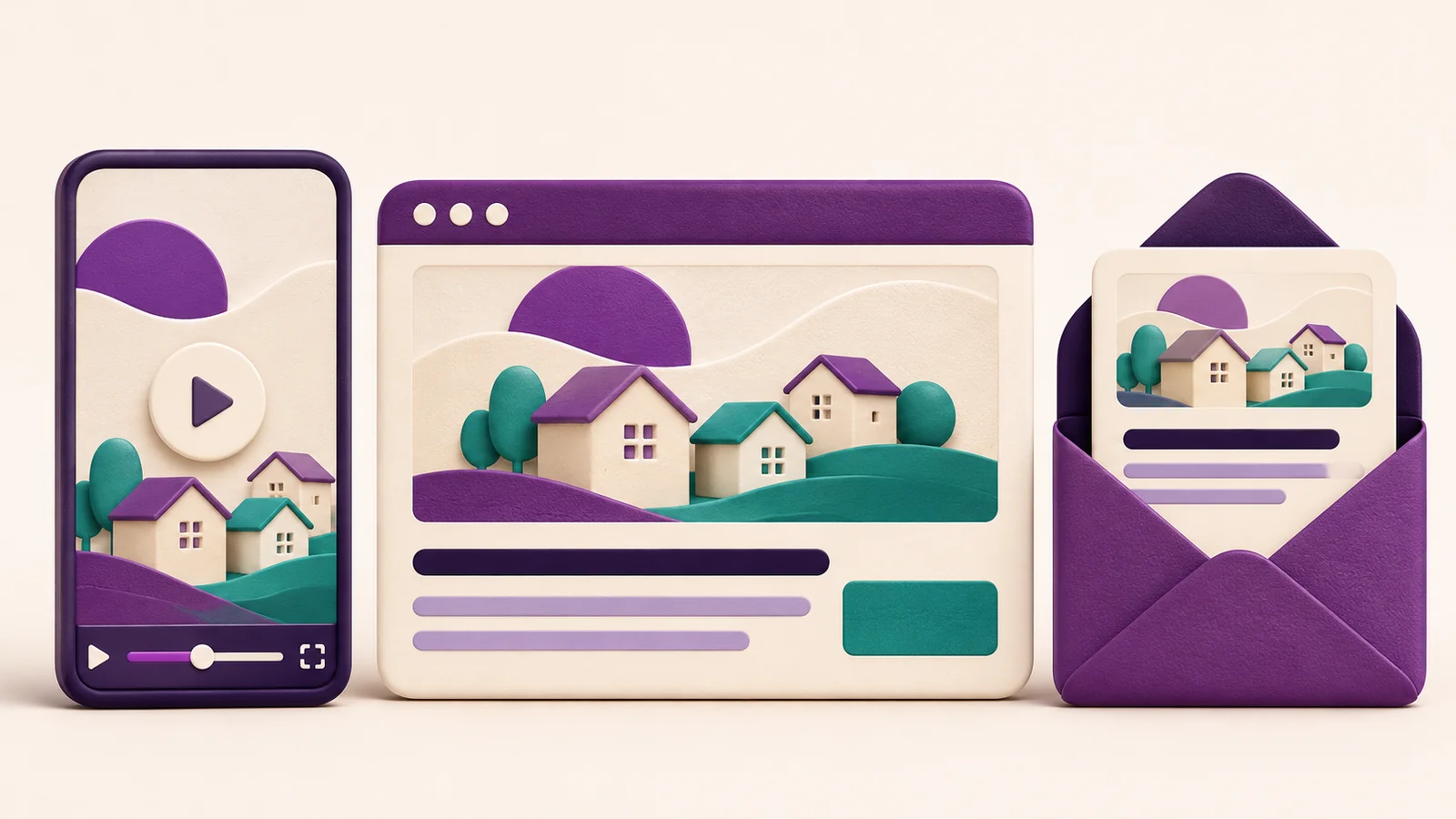
Use the report to ask questions about your own audience and test channels, distinguishing discovery, following, and direct relationships.
Original source verified on 10 November 2026. Operating frameworks and examples are CROMBA recommendations; survey results concern U.S. adults.
What does Pew’s report say, and who do its findings describe?
Pew Research Center published its Social Media and News Fact Sheet on October 19, 2026, drawing on a survey of 5,166 U.S. adults conducted from August 24 to 30, 2026.
According to the report, 59% of U.S. adults said they get news from social media at least sometimes. Facebook and YouTube also led the platforms in the share of U.S. adults who regularly get news from them.
These findings concern the United States. They cannot be transferred directly to Egyptian or Gulf audiences, or to Arabic-speaking people living in Türkiye.
Getting news through a platform also does not necessarily mean visiting the publisher’s website, trusting it, or being willing to subscribe to its services.
Start by defining each channel’s role
At CROMBA, we suggest reading content distribution through three roles, rather than asking every platform to achieve the same goal:
Discovery: your content reaches someone who did not previously know the organization.
Following: that person finds a reason to return to your coverage or follow a series you produce.
Direct relationship: they choose to visit your website, subscribe to your newsletter, or join a service you offer.
A platform may perform more than one role, but identifying its primary role helps you choose suitable content and a relevant success metric.
A video introducing the organization to a new audience should not be evaluated in the same way as an invitation to subscribe to a newsletter.
To allocate responsibilities inside the organization, see the role of digital communication teams in newsrooms.
Turn the report into questions about your audience
Instead of concluding that “Facebook comes first, so we should post more there,” begin with questions you can investigate:
- Where did our current audience first discover our organization?
- Where do they follow a story’s details after watching a short clip?
- Which subjects prompt them to visit the website or return to it?
- Does this journey differ between audiences living in the country and those living abroad?
Answers can come from platform and website data, short audience questions, and a limited number of interviews. However, responses to a survey posted on your own account remain exploratory signals; they are not automatically a representative sample of your entire audience.
When comparing platform data, also consult our guide to reading Digital 2027 and distinguishing advertising audiences from users.
Test different ways to distribute one story
Suppose the organization publishes a reporting package about rising housing costs. Instead of copying the headline and link onto every platform, it could design an editorial test:
- A short video explains one question and helps people discover the reporting package.
- A visual presents a verified fact or comparison.
- A website report brings together the details, sources, and context.
- An email explains what merits further attention and what has been added to the coverage.
This is a proposed practical example, not a formula taken from Pew’s report. Its value is that each format serves a purpose while preserving consistent information and context.
Compare the value of results with their production cost
Do not let total views alone determine where the team’s effort goes. Alongside them, review relevant visits, returns to the content, completed subscriptions, and the time spent on production.
Before the test begins, agree on what you will consider an encouraging result and what would justify adapting or stopping a format. This turns an international report into the starting point for a local question, rather than a substitute for understanding your audience.
The right platform is not necessarily the largest globally. It is one that helps your organization provide value to its audience and build a sustainable relationship with it.
Discuss a distribution strategy with CROMBA that connects content, production resources, and audience-development goals.
Sources and editorial review
Original sources used in this article. Last editorial review: 10 November 2026.
- Pew Research Center — Social Media and News Fact SheetPublished 19 October 2026; reviewed 10 November 2026